We collaborate with medical providers to support patient recovery, neurologic optimization, inflammation modulation, and performance enhancement through Hyperbaric Oxygen Therapy (HBOT) and Kairo Scape vibroacoustic sessions.

Our team provides structured protocols, safety screening, and clinical updates to ensure continuity of care.

What We Offer Providers

Hyperbaric Oxygen Therapy (HBOT)

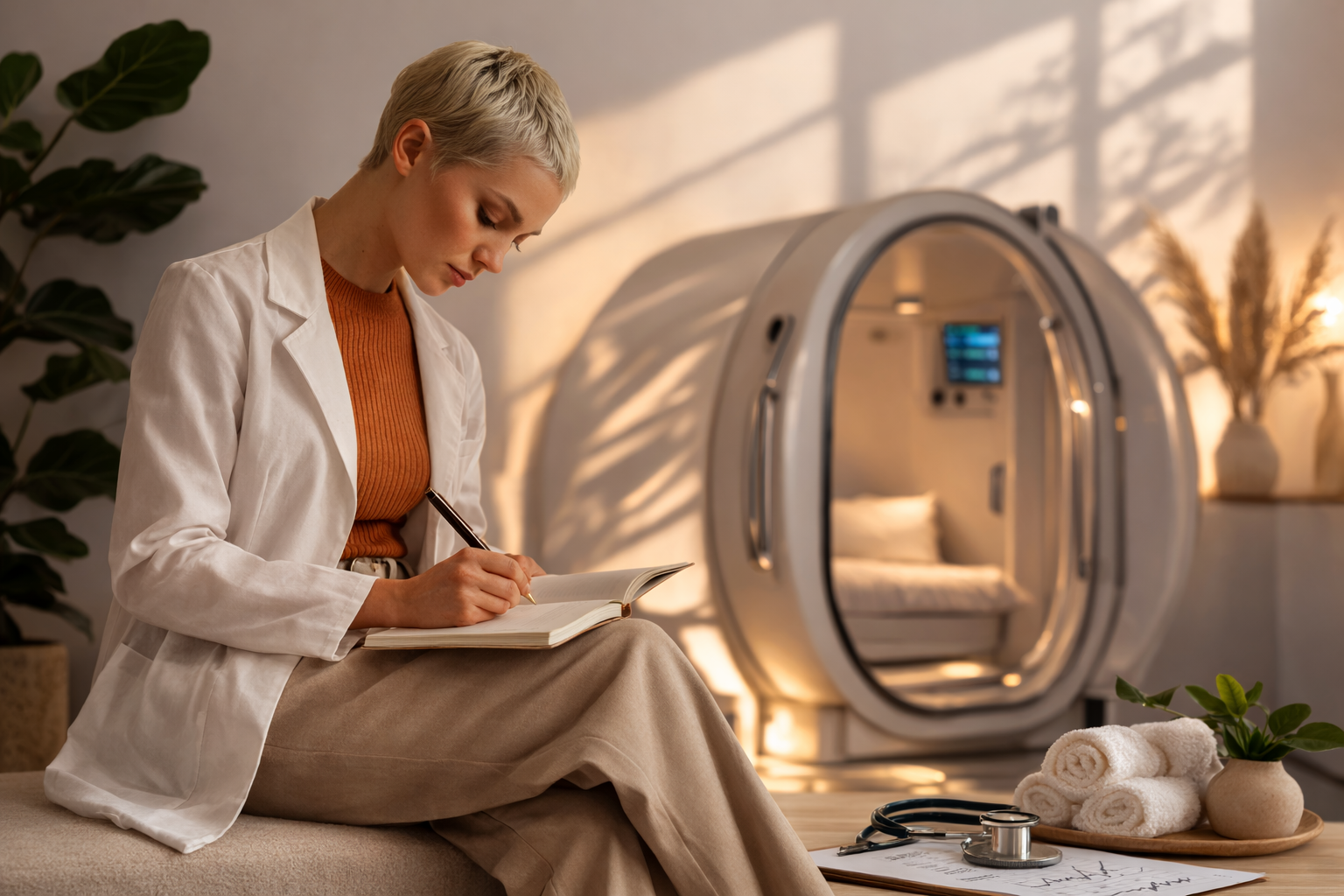
We offer structured mild-moderate hyperbaric oxygen protocols (1.3- 2.0 ATA) designed to support physiologic optimization and recovery across multiple clinical contexts.

HBOT Clinical Applications

• Post-concussion and traumatic brain injury recovery
• Post-viral syndrome support (including long COVID presentations)
• Systemic inflammation modulation and recovery support
• Surgical and wound healing support
• Athletic performance and recovery optimization
• Neurologic resilience and cognitive enhancement
• Longevity and cellular optimization strategies

Kairo Scape Vibroacoustic Sessions

Kairo Scape is a structured vibroacoustic therapy system designed to support autonomic nervous system regulation and neuro-recovery through targeted low-frequency stimulation and guided sensory immersion.

Clinical Applications:

• Autonomic nervous system regulation (sympathetic overactivation reduction)
• Vagal tone support and parasympathetic engagement
• Post-concussion and neuroinflammatory recovery
• Post-viral nervous system dysregulation
• Stress-related physiologic instability
• Sleep architecture support
• Cognitive recovery and mental clarity enhancement
• Nervous system resilience and recovery optimization

Evidence & Clinical Rationale

Emerging literature supports the role of hyperbaric oxygen exposure in promoting tissue oxygenation, mitochondrial support, inflammatory modulation, and neuroplasticity in select populations. Clinical studies have explored its use in post-concussive syndromes, chronic inflammatory states, wound healing, and post-viral recovery contexts.

Similarly, growing research in autonomic neuroscience suggests that targeted sensory and low-frequency vibratory stimulation may influence vagal tone, heart rate variability (HRV), and central nervous system regulation. Interventions aimed at enhancing parasympathetic engagement are increasingly recognized as supportive strategies in patients experiencing dysautonomia, chronic stress physiology, and neuroinflammatory recovery patterns.

At HBOT Lounge, both modalities are used within a structured clinical framework and in collaboration with referring providers to support safe, patient-centered care.
Provider Referral Form